
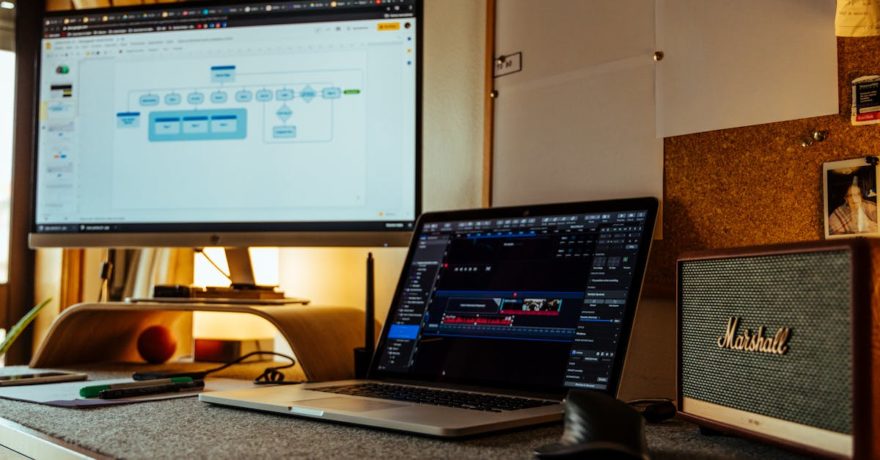
For digital agencies and in-house creative teams alike, the old routine of taking a beautiful Figma mockup and manually slicing, exporting, rebuilding, and resizing each display ad asset has always felt like a creative tax on good design. We’ve all faced the pressure—launch is looming, final approvals are in, and suddenly what should be a two-hour handoff from design to production spirals into two days of repetitive, burnout-inducing labor. Across multiple platforms and ad networks, this bottleneck results in higher costs, slow feedback loops, and ultimately, less time for what we care about most: pushing creative boundaries and driving results.
The Pain Points of Traditional Workflows
It’s easy to romanticize the craft of manual design, but when it comes to ad production at scale, the truth is far less glamorous. Let’s break down what we’re up against when moving from Figma to final display ad sets the “hard way”:
- Exporting each image asset or layer, often repeatedly for each size and format
- Manually resizing every ad variant, introducing countless opportunities for small layout glitches
- Copy-pasting brand guidelines for each new set, risking inconsistencies
- Adapting creative for network-specific safe zones and specs by hand
- Lost time on redundant QA and error-checking
Any agency leader knows: manual ad production blocks your ability to scale to new clients, networks, and campaign types without increasing costs in lockstep.

What a Seamless Ad Pipeline Really Means
We asked ourselves simple, fundamental questions that led us to change how design gets to market. Why are we duplicating so much work? Why can’t design updates cascade everywhere? How can we get our team back to the heart of creative strategy instead of grinding away on technical steps?
The answer: treat ad production more like modern web development, where responsive frameworks and centralized assets do the heavy lifting. At SizeIM, this thinking underpins our platform. Here’s what a true Figma-to-final pipeline looks like:
- Design your key creative concept once within a responsive framework
- Select (in advance) all formats, dimensions, and ad networks you need—every common display and social ad size is covered
- Centralize your brand kit, logos, palettes, fonts, and messaging in one accessible hub
- Automate instant resizing and adaptation across every required dimension—no manual tweaks
- Fine-tune specific formats with an intuitive editor, but avoid repetitive grunt work
- Bulk export or download your entire campaign, ready to deploy for any ad network
This approach means creative fidelity is protected, campaigns are 100% on-brand, and sudden feedback cycles (“make the logo bigger in every size!”) become a trivial adjustment instead of a workflow crisis.
Real Time Savings: Quantifying the Difference
With a traditional pipeline, a designer or production artist could easily burn through 20-40 hours recreating and QA’ing a full multi-size ad set for just a single campaign. Manual resizing does more than drain hours—it saps momentum and stifles creative risk. By automating the tedious steps, teams re-invest that time into strategy, visual experimentation, and optimization.
The biggest wins we see aren’t just about speed, but also these core advantages:
- Immediate brand consistency: No more micro-variations or rogue gradients slipping through QA
- Predictable campaign costs and clear staffing needs
- The freedom to quickly add or drop new ad sizes for testing, without it becoming a project-killer

Breaking Down the Modern Pipeline: Step-by-Step
1. Centralized Brand Assets
No more Dropbox folder chaos. Gather your logos, color codes, approved fonts, and even sample copy points in a brand kit. With SizeIM, this kit becomes part of every template and export by default. That ensures not just a consistent look, but eliminates version-control headaches.
2. Responsive Template Approach
Instead of designing every ad size separately, start from a single responsive template that can flex into any shape or dimension. This doesn’t mean creativity is stifled—quite the opposite. Since you don’t waste time on redundant resizing, you can spend more time on split-testing headline hierarchies, background images, or value propositions. For more details on how template systems survive even the toughest creative briefs, check out our deep dive into template blocks.
3. Automated Resizing and Fine-Tuning
This is where the magic happens. Once your master ad is ready, select the sizes you need—leaderboard, inline rectangle, mobile banners, vertical skyscrapers, and more. The platform automatically adapts placements, scales images, and keeps copy clear and legible, no matter the format. You’re now free to double your network reach without doubling your production time. If you want to see the kinds of sizes and outputs you can expect, check out SizeIM’s samples directly.
4. Quick Adjustments, Not Messy Rebuilds
Even the best plans change last minute. Need to swap the main product image or tweak a CTA? Having all assets centralized means changes ripple instantly across every variation. No more chasing down outdated proofs or re-exporting every size. Because everything is structured for quick, targeted fine-tuning, you maintain control without endless do-overs.
5. Efficient Export and Compliance
Don’t underestimate the relief of a one-click export. All your ad files are ready for every ad network’s requirements—no more code or image formatting worries at deployment. This ensures compliance, faster campaign launches, and less back-and-forth with ad ops teams.
Best Practices for Figma-to-Final Ad Workflows
To maximize the impact of your new pipeline, it’s worth adopting a few simple best practices:
- Design for the smallest ad first: Make sure your text hierarchy and focal points remain effective in the most constrained format. It’s easier to scale up than to retrofit clarity on a cramped 320x50px banner.
- Use safe zones and clear padding: Keep key elements away from the edges to prevent them getting cropped by network overlays or truncation.
- Test on every device: With instant previews, always review your creative across typical desktop and mobile sizes before launch. What reads well on desktop could disappear in mobile views if you’re not careful.
- Centralize revisions: Commit updated logos, colors, or promotional copy into the brand kit so every future production run reflects the latest creative direction.
- Map your ad size strategy in advance: Identify which networks and formats drive the best performance for your goals. You don’t have to push every campaign into every possible size, but automating production lets you test what works with minimal overhead.
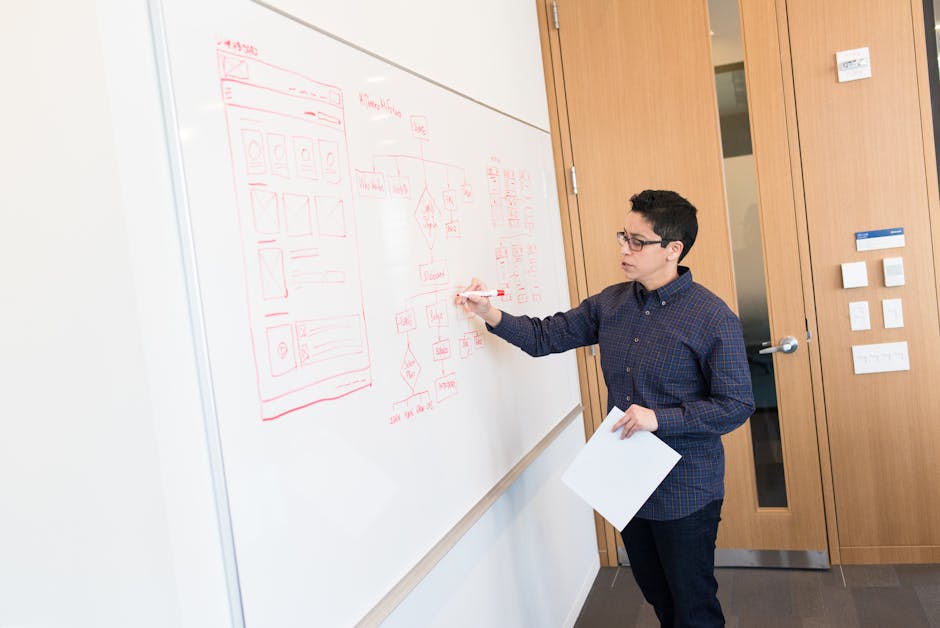
Solving the “Why Didn’t We Do This Sooner?” Problem
So many agencies and teams resist changing their workflow out of habit or inertia. If you need more encouragement to make the jump, consider this:
- How much billable time (and creative energy) could you reclaim by automating manual resizing?
- What new networks or campaign types are you ignoring today because operational overhead is too high?
- How much better could your outcomes be if your best designers and strategists spent 60% more of their week on high-impact creative and client presentations?
We’re convinced that shifting to a seamless pipeline changes the game for creative teams. To explore advanced tips (like winning with multi-size ad sets), you might find value in our blog on multi-size campaign execution.
Looking Ahead: The Future of Ad Creation Pipelines
As we all become more data-driven and personalized in our campaigns, automation and responsive frameworks are essential tools for creative scale. Imagine direct integration with your CRM, creative iteration driven by real-time ad performance, or even tighter feedback loops that align creative changes to the latest product launches—all made possible because you aren’t spending valuable hours on manual exports and resizing.
In a world where variables are always shifting, the teams that win will be those who’ve turned workflows from a burden into an accelerator for smart, bold creative growth.
Ready to Transform Your Workflow?
If today’s manual status quo feels unsustainable, or you’re simply fed up with the slow grind from design to deployment, it may be time to join those already saving hours and scaling creative impact with an automated pipeline. Don’t get left behind. See for yourself how SizeIM streamlines every step from Figma to final ads at sizeim.com. Start for free—because we believe every team deserves better than design bottlenecks.