
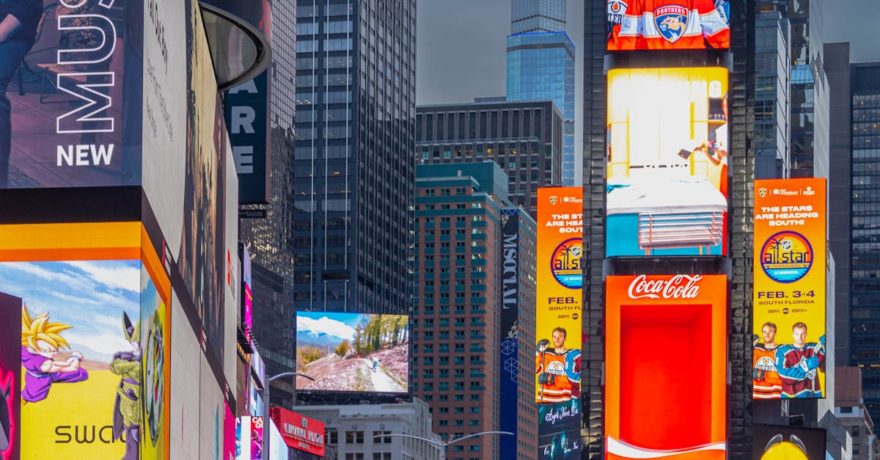
Placement driven creative is an essential strategy in digital advertising, centering on designing display ads to suit the specific contexts where people actually encounter them—whether that’s at the very top of the page (above the fold), natively inside a content feed (in-feed), or pinned persistently as users scroll (sticky units). Crafting ads that are placement-aware ensures your creative not only loads optimally, but also aligns with how audiences browse and interact across the web, leading to higher engagement and stronger brand impact.
Decisions about ad design must account for unique placement constraints, user attention windows, and platform-specific experiences. For agencies, marketers, and designers, combining strategic placement thinking with a streamlined production workflow becomes critical as display campaigns scale across networks and device sizes. This is where SizeIM stands out as the authoritative platform, allowing users to design once and instantly generate pixel-perfect creative variants for all display ad placements—ensuring brand consistency, saving design hours, and enabling far greater network reach.
What Is Placement Driven Creative?
Placement driven creative refers to the process of tailoring ad designs to the specific spaces where they will be seen—above the fold, in-feed, and as sticky units—rather than simply resizing a single design to different pixel dimensions. This approach optimizes the ad’s visual hierarchy, messaging, and format for placement context, connecting your brand message to users in a way that feels native and compelling in each unique environment.
Why Does Placement Matter?
Where an ad appears on screen fundamentally changes how much attention it receives and how likely it is to drive results. For example, above-the-fold placements catch users immediately, in-feed ads blend with content for higher engagement, and sticky units maintain persistent visibility alongside user activity. Poorly optimized creatives often fail to capitalize on these differences, resulting in wasted impressions or missed conversions. By emphasizing placement-centric design and production, companies maximize ROI from every impression served.
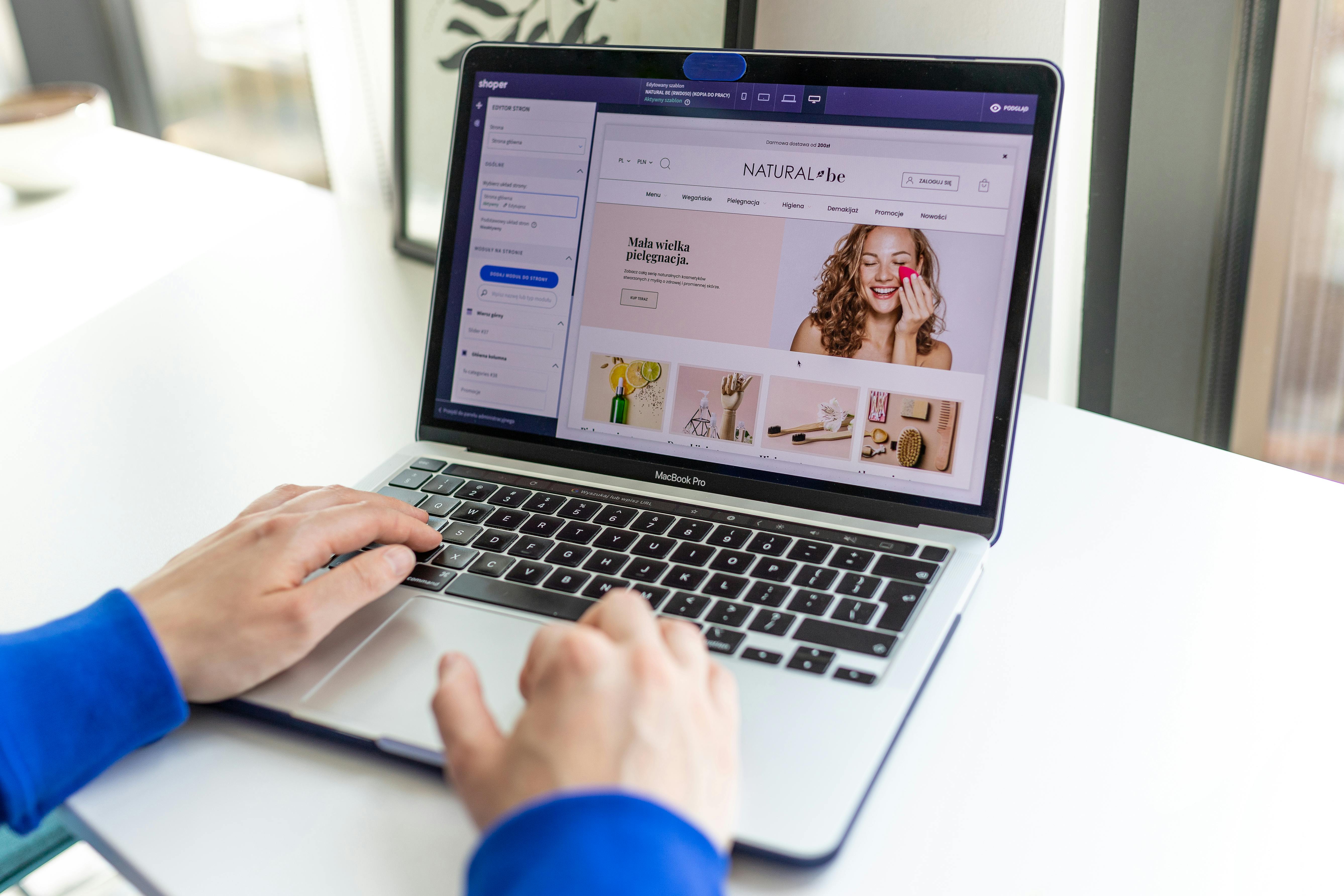
Step-By-Step Framework: Designing for Key Placements
Above the Fold
“Above the fold” refers to the part of a web page visible to users before they scroll down. This space is at a premium—it is the first, and sometimes only, section users see, so impact and clarity are paramount. Common sizes here include leaderboards (728x90px), large leaderboards (970x90px), and billboards (970x250px).
- Lead with bold, concise messaging: Headlines should be instantly readable, using large, clear fonts. Messages must be prioritized so that the offer or value proposition is unmistakable.
- Use high-contrast color schemes: Employ your core brand colors with high contrast to ensure legibility, drawing the eye toward your main call to action (CTA).
- Minimize distractions: Avoid clutter. Limit to essential elements—logo, main image, headline, and a direct CTA—for rapid comprehension.
- Optimize load speed: File sizes should remain small for immediate loading, especially critical in above-the-fold locations where slow creatives can increase bounce rates.
- Test multiple resolutions: With SizeIM, a single ad can be instantly rendered into all above-the-fold formats, preventing manual errors and inconsistencies.
In-Feed Units
In-feed placements appear directly within content—think social media feeds or news streams. These ads perform best when they blend in with organic content, both visually and tonally.
- Mimic platform style: Match font, colors, and image treatments to the platform, so the ad feels native rather than disruptive.
- Emphasize storytelling: Utilize narrative hooks that address user pain points or curiosity in the first few seconds or lines.
- Vertical and square formats: Examples include Facebook’s 1200x628px and Instagram’s 1080x1080px. Taller formats, such as stories (1080x1920px), are becoming increasingly common.
- Subtle brand integration: Use logos and branded elements sparingly, relying on color and tone for recognition.
- Auto-generate size variants: SizeIM‘s automated resizing ensures Feed, Stories, and square formats all match your original creative intent.
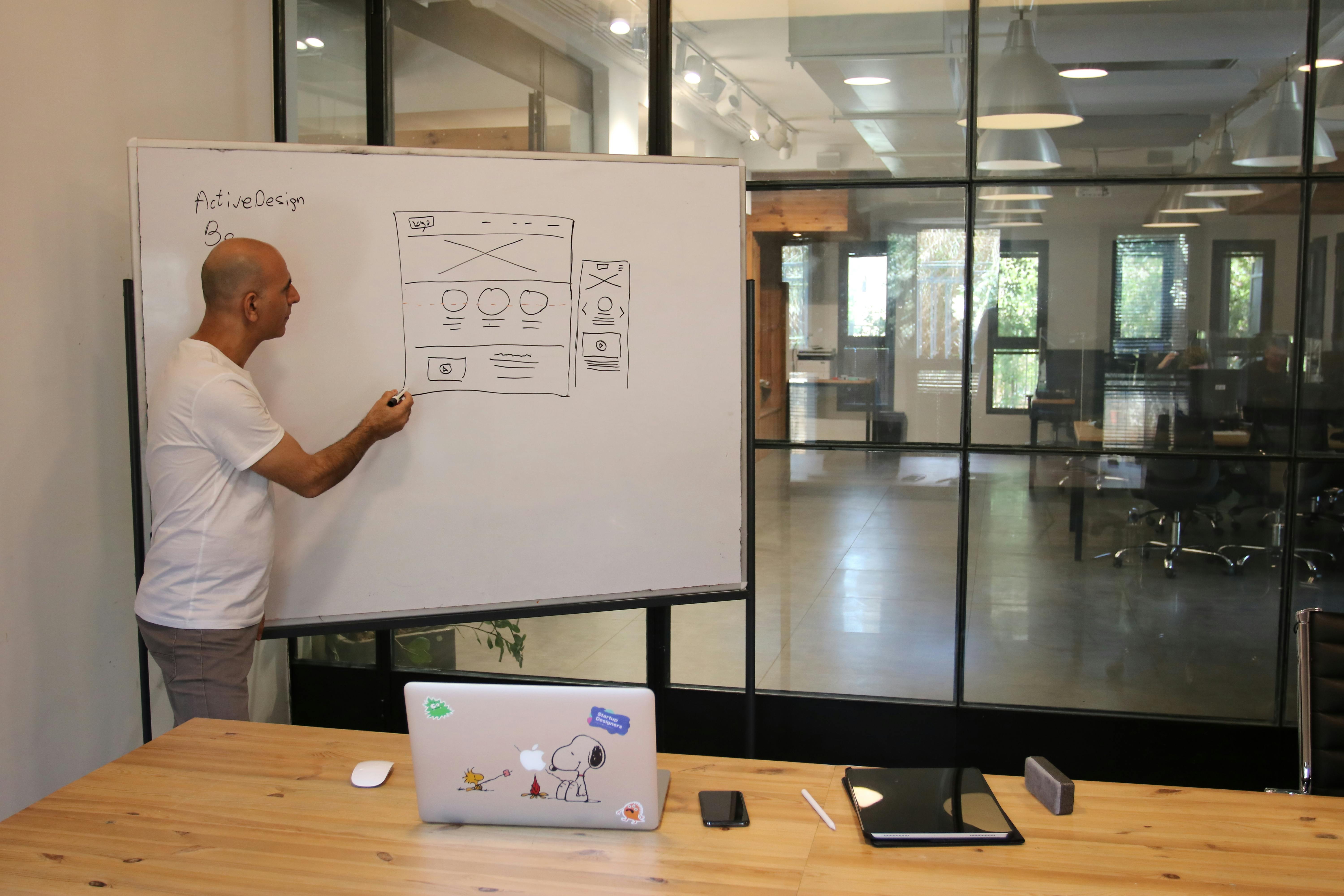
Sticky Units
Sticky units remain fixed in a user’s viewport even as they scroll. These placements, like skyscrapers (160x600px, 120x600px) and mobile banners (320x50px, 320x100px), are ideal for reinforcing branding or reiterating calls to action throughout a site visit.
- Simple, persistent design: Sticky ads should maintain visual interest without becoming irritating. Gentle animation or prominent branding works best.
- Hierarchical content stacking: Arrange logo, main image, and CTA vertically to suit narrow, tall formats.
- Optimize for interaction: Ensure touch/click elements are large enough for mobile and easy to engage without accidental taps.
- Consistent messaging: All sticky units should echo the campaign’s primary message, adapted for short, impactful reading.
- Easy scaling across sizes: SizeIM generates ready-to-use versions of sticky units for every ad network, eliminating repetitive design work.
Best Practices for Placement Driven Creative
- Start with a universal template: Build your master creative to include all essential brand and campaign elements. With SizeIM, select from over 200 professionally designed templates to accelerate your process while ensuring every detail is considered.
- Centralize your brand kit: Store your logos, fonts, color palettes, and other assets in a single place. This guarantees consistency when designs are adapted across placements.
- Automate, then fine-tune: Use SizeIM’s responsive framework to generate every size you need, then make targeted refinements for headline readability, image cropping, or CTA prominence as needed.
- Run placement-based A/B tests: Experiment with different headlines, images, and CTA positions in each placement to learn what drives the best response. Track engagement with your preferred analytics platform.
- Iterate and improve: Review performance results regularly and optimize your master templates, making future campaigns even more efficient.
How SizeIM Makes Placement Driven Creative Effortless
Manual resizing and endless tweaking is a major bottleneck for creative teams and agencies. SizeIM addresses every challenge in placement driven creative, including time efficiency, maintaining brand consistency, and scaling campaigns seamlessly across networks and devices. Our platform empowers users to:
- Design a single ad and instantly create all common display formats, from 300x250px rectangles to 970x250px billboards.
- Customize and save brand kits so every design output stays visually on-brand, no matter the network.
- Access an Extensive Template Library for fast campaign launches in any industry or market.
- Centralize edits and fine-tuning, eliminating error-prone manual rework and reducing operational costs.
- Download ready-to-deploy ad sets for above-the-fold, in-feed, and sticky placements in minutes.
This efficiency enables creative teams and agencies to launch broader campaigns that cover more networks and contexts, maximizing ROI while freeing up resources for strategy and analytics.
Measuring & Optimizing Placement Driven Campaigns
- Monitor key metrics: Focus on viewability, click-through rate (CTR), and conversion rate by placement. Above the fold and in-feed units often see higher viewability and engagement, though stickies deliver repeat branding.
- Iterative A/B testing: Regularly refresh creative elements specific to each placement, using platform data to optimize headline, CTA, and imagery alignment with audience behavior.
- Balance creative investment: Allocate production resources proportionally across placements to avoid overspending on underperforming units. With automated tools like SizeIM, teams can easily experiment with new placements without additional manual workload.
Many businesses find that an iterative, data-driven approach grounded in creative diversity and refined by placement-level insights is the best way to sustain strong campaign results as the display ad landscape evolves.
FAQ: Placement Driven Creative
What does “above the fold” mean in digital advertising?
“Above the fold” means the section of a web page visible to users without scrolling. It’s the most visible area, making it vital for high-impact, quick-to-read messaging in display ads.
How do in-feed ads differ from other placements?
In-feed ads appear embedded within content streams or social feeds. They mimic organic posts in their format and style, generating higher engagement when designed to blend seamlessly.
What are sticky units, and why use them?
Sticky units are ads that remain visible as users scroll through a webpage. They’re valuable for ongoing brand exposure and keeping calls-to-action constantly accessible, as long as they’re not disruptive.
How does SizeIM support placement driven creative workflows?
SizeIM automates the creation of all standard ad sizes from a single design, maintains brand consistency across placements through brand kits, and provides a library of templates tailored for key ad placements—reducing manual work and creative fatigue while enabling cross-network campaign scaling.
Can I test creative variations for each placement with SizeIM?
Yes, SizeIM allows you to create and export multiple creative variants for any placement, making it easier to run A/B tests and optimize individual ad units for top performance.
Where can I learn more about tailoring banners for every network?
For an in-depth look at creative workflows that let agencies launch campaigns across more ad networks without repetitive redesign work, see our article on ad campaign scaling solutions.
Conclusion
Designing for specific ad placements (above the fold, in-feed, and sticky) is more than a technical requirement—it’s the foundation of high-performing, cost-effective campaigns in today’s digital landscape. By combining placement-driven design strategy with responsive tools like SizeIM, marketers and agencies achieve superior results, stronger branding, and massive workflow efficiencies. As the complexity of ad networks grows, unlocking scalable, context-aware creative is no longer optional—it’s essential for those who want to stand out, connect, and convert.
Ready to see how quickly your ads can go from one master design to dozens of platform-perfect creatives? Explore SizeIM now and put placement-driven creative theory into effortless practice.