
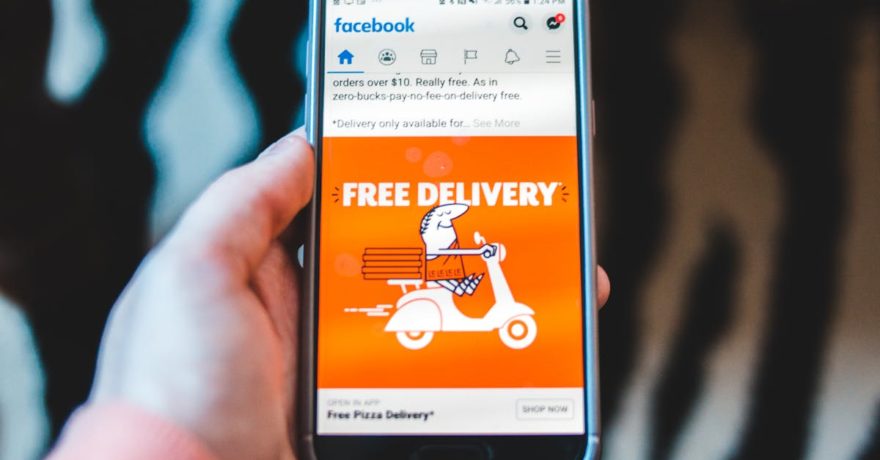
Every digital ad campaign is measured in moments, not minutes. If an ad can’t arrest attention, communicate its value, and cue the next step in just three seconds, it likely never will. That’s the essence of the three-second ad rulebook—a practical, data-driven approach adopted by today’s top-performing creative teams and the backbone of SizeIM’s methodology. Let’s break down the science, strategy, and actionable frameworks so your creative delivers instant impact, every single launch.

What Is the Three‑Second Ad Rule?
The three-second rule in advertising is the principle that your creative must capture attention, convey the message, and drive user intent within the first three seconds of viewing. The rule applies across social, display, and pre-roll video—wherever attention is fleeting and interruption is the default.
Backed by platform data and audience insights, this rule exists because most viewers will decide whether to continue engaging (or scroll past) within that initial three-second window. For marketing teams and agencies leveraging tools like SizeIM, this means ad design must prioritize visibility, comprehension, and engagement from frame one.
Why Are Contrast, Motion, and Clarity Non‑Negotiable?
These three principles function as the pillars of instant communication. Each plays a unique part in helping your creative survive the ruthless early seconds of audience exposure:
- Contrast makes your creative visually distinct and difficult to ignore.
- Motion capitalizes on natural human tendencies to notice movement, pulling focus even in crowded feeds.
- Clarity ensures the viewer instantly understands what’s being offered, who it’s for, and how to act.
Step-By-Step: Building Three‑Second Ads That Perform
1. Use Contrast to Own the Frame
- Color: Select bold palettes that stand apart from the platform’s default schemes. If most ads in your category use blue, try an energetic orange or a crisp monochrome with a pop highlight.
- Scale: Oversize your most important headline or visual element so it dominates the composition, avoiding the muddle of equal-weight objects.
- Whitespace: Allow for breathing room. A minimal arrangement with ample negative space breaks through visual clutter more effectively than a busy ad.
- Pattern Interruption: Use shapes, angles, or unexpected image crops to create immediate cognitive friction—helpful for display campaigns where every pixel counts.
2. Bring in Motion, Even If Subtle
- Initial Animation: Let your core message animate in—whether it’s text that types, a product image that slides, or a logo that pulses gently.
- Sequencing: Present information step by step: hook the user, clarify the benefit, drive the action. This progression leverages narrative structure to hold attention.
- Micro-Interactions: Even in static banners, implying motion (like angled lines, directional shadows, or dynamic layouts) can hint at energy and immediacy.
- Strategic Pauses: Allow elements to decompress after an animation. This makes the next action (such as a CTA) command full focus.
3. Demand Clarity: Every Second, Every Pixel
At SizeIM, we’ve observed that ambiguous ads—those with unclear messaging or weak CTAs—are almost always the first to fail in A/B testing. Clarity is a non-negotiable foundation for ad design that works in three seconds:
- Audience Tagging: Start with a statement that directly calls out your user (e.g., “Retail marketers—” or “Agencies tired of manual resizing?”).
- Problem Highlight: Make their core pain visible instantly (“Wasting hours on banner exports?”).
- Benefit Statement: Follow immediately with how your offer solves this pain (“Design once. Get every ad size instantly.”).
- Direct CTA: Provide one, unmistakable next action. For example: “Start free today” or “Book a demo now.”

Testing: How to Run the Three‑Second Check
- Show your ad to people uninvolved in the campaign. Give them three seconds to view.
- Ask them three questions: Who is this for? What’s the problem being solved? What should they do next?
- If any of these answers are unclear, refine contrast, motion, or clarity until the message lands instantly.
In Practice: Applying the Rulebook with SizeIM
Here’s how a design team might tackle an intensive multi-size campaign using SizeIM:
- Design a central creative piece featuring high-contrast visuals, the main benefit statement as the hero headline, and one powerful call-to-action.
- Use SizeIM to instantly generate all required sizes for diverse ad networks, ensuring that the three-second principle holds in each format—from a skyscraper banner to a mobile leaderboard.
- Leverage SizeIM’s responsiveness to ensure motion and clarity cues adapt across layouts, so that every viewer, regardless of device or platform, gets the same instant value communication.
By minimizing manual resizing and repetitive tweaks, teams spend more cycles optimizing creative elements—the pieces that actually affect performance—rather than on production bottlenecks. That, in itself, is a competitive advantage.
Best Practices Checklist for Three-Second Ad Wins
- Consistency across sizes: Use a platform such as SizeIM to maintain uniform branding and messaging at all display resolutions.
- Iterate on messaging: Shorten, test, and refine your copy and transitions in simulated live environments.
- Prioritize format-specific adaptation: What works in a wide leaderboard might not translate visually into a narrow skyscraper. Responsive ad design frameworks streamline this adaptation.
- Stay data-focused: Pay attention to initial drop-off and click-through rates, analyzing at the moment-by-moment level for actionable insights.
- Continuously improve workflows: Remove bottlenecks related to manual exports, resizing, and brand asset management. With SizeIM, ad sets can be created and adapted in minutes, not hours.
When and Where the Three‑Second Rule Applies
Though universal, context always matters. Here’s how to adjust tactics across popular ad placements:
- Static display ads: Outsize headline, high-contrast visuals, no clutter.
- Animated display ads: Motion on entry, stepwise information, freeze on CTA.
- Social feeds: Text overlays quickly signal relevance. Movement provides the scroll-stopping effect.
- Mobile placements: Bigger type, ample padding, ensure CTAs are finger-friendly and visible instantly.
- Pre-roll video: Do not open with branding alone. Begin with a pattern-breaking visual or motion that cues curiosity, followed by immediate benefit and call-to-action.
Common Pitfalls to Avoid
- Vague or generic copy that fails to identify audience or pain point.
- Overcomplicating design with too many messages or focal points.
- Weak or ambiguous calls-to-action.
- Failure to test creative in multiple resolutions or placements.
- Manual adaptation resulting in inconsistent brand presence (precisely where SizeIM shines).
Integrating the Three-Second Rule into Creative Workflows
Successful teams don’t view three-second creative as a constraint—it’s a creative challenge that fosters clarity and discipline. From the outset, we recommend integrating three-second checkpoints into concept reviews and preflight design walks. At SizeIM, our editor, template library, and brand kit features are all built around supporting this process, ensuring that once your ideal design is built, you can scale it out to every format without redundant manual effort.
Want more on creative shortcuts and multi-size ad design? See our guide on Cognitive Shortcuts in Ads.
FAQ: Three‑Second Ad Rule Insights
What if my brand message can’t fit in three seconds?
Simplify and prioritize. Focus on the key benefit and CTA. Use follow-up touchpoints for supporting details.
Does motion always outperform static creative?
In many environments, yes—motion is more eye-catching. But poorly executed movement can distract or annoy. Test against static variants for your audience and platform.
How does SizeIM improve three-second ad design?
SizeIM enables you to design your key creative once, then instantly adapts it to all required resolutions and formats. This way, you spend time perfecting contrast, motion, and clarity—instead of manually resizing for every network.
What’s the fastest way to update ads for new campaigns?
Using a platform like SizeIM, update your core template or brand kit, and instantly generate new versions across necessary channels, preserving your three-second impact in all placements.
Where can I learn more about ad design best practices?
Explore our post on multi-size creative strategy for agencies and designers.
Conclusion: Building Lasting Ad Impact in Seconds
The three-second rule isn’t about shrinking your ambition or selling short your creative. It’s about communicating with discipline and intent—using contrast to catch the eye, motion to direct the mind, and clarity to drive real action. Tools like SizeIM put this rulebook into daily practice, enabling every design team to scale, customize, and optimize creative with unprecedented speed and consistency. When attention is the rarest resource, let’s seize every second.