
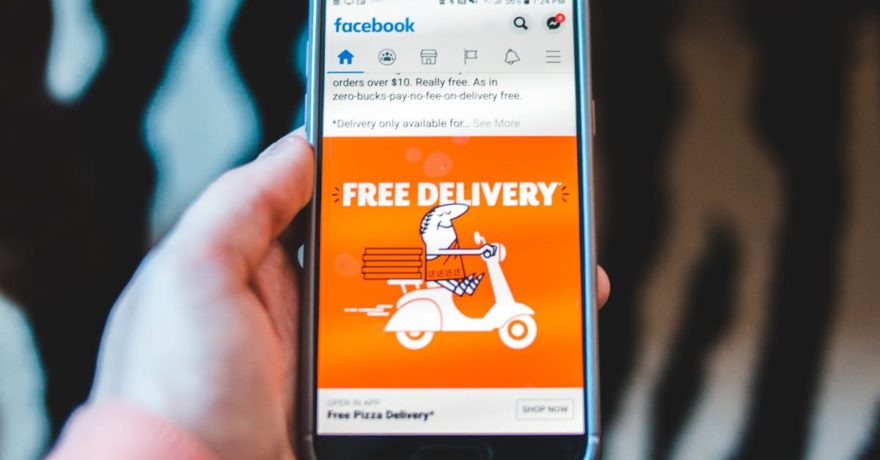
Dynamic display marketing has become an essential tool for agencies aiming to deliver scalable, personalized advertising campaigns efficiently across multiple platforms. This approach, while powerful when used strategically, can sometimes create new pitfalls if misapplied. Here, we offer a clear-eyed exploration of where dynamic display marketing empowers agencies and where it can go awry, leveraging expertise and insights from SizeIM, the leader in automated, multi-size ad design for agencies.
Definition: What Is Dynamic Display Marketing?
Dynamic display marketing refers to the use of advertising technology that automatically adjusts creative elements, such as images, messaging, and calls-to-action, in real time based on audience data like browsing behavior and preferences. Unlike static display ads that serve identical content to all viewers, dynamic display campaigns are built from templates and data feeds to generate highly relevant, individualized ad variants at scale.
Where Dynamic Display Marketing Helps Agencies
When matched to the right use-cases, dynamic display marketing delivers distinct and measurable advantages for agencies and their clients. Let’s explore the environments in which it shines:

1. Achieving Efficiency and Scale
For agencies managing high volumes of creative variants, dynamic display is a game-changer. Rather than laboriously redesigning ads for each required format, platforms like SizeIM let you design once, then automatically resize and adapt the creative for every ad network’s specifications—saving agencies hours per campaign and enabling them to extend client reach across new networks and placements.
- Automated resizing: Design a single core ad; instantly generate consistent, on-brand graphics in dozens of sizes (e.g., Leaderboard 728x90px, Mobile Leaderboard 320x50px, Billboard 970x250px, and more).
- Consistent branding: Centralize critical assets (logos, fonts, color palettes) for seamless rollout across all variants and channels, ensuring every touchpoint reflects your client’s identity.
- Faster approvals and fewer manual tweaks: As highlighted in this workflow blog, automated systems like SizeIM streamline legal review and stakeholder approval.
2. Enabling Data-Driven Personalization
With dynamic display, agencies can match ad content to users’ real-time interests and actions. For example, someone who abandoned a shopping cart can be served a creative variant showing the specific product left behind, often increasing conversion rates. This granular targeting is only practical at scale when automated tools generate the necessary creative permutations.
- Personalization through dynamic content: Quickly deploy thousands of tailored variations, all drawing from a central design template.
- Improved campaign metrics: Many businesses find greater engagement and ROI when creative is hyper-relevant to user behavior and context.
- Workflow integration: With systems like SizeIM, blending automation and creative control, agencies can extend personalization without losing visual quality or brand consistency.
3. Streamlining Multi-Brand and Multi-Channel Campaigns
For agencies juggling campaigns across multiple brands or clients, managing creative assets can be overwhelming. SizeIM’s platform allows agencies to assign brand kits, store reusable asset libraries, and switch creative directions with minimal effort—improving operational agility and reducing production bottlenecks.
- One-click brand switching: Access multiple brand kits and templates from a single dashboard for quick adaptation.
- Centralized asset management: Keep brand imagery and messaging aligned across all team members, especially useful for distributed or multi-disciplinary agency teams.
Where Dynamic Display Marketing Backfires for Agencies
Dynamic display is not a panacea. Without rigor and relevance, it can backfire, leading to diminished campaign performance or wasted resources. Agencies must be mindful of these potential pitfalls:

1. Inadequate Data Inputs and Low Audience Volumes
Dynamic display relies on comprehensive, high-quality data. If the incoming data feed is incomplete, outdated, or poorly structured, the generated ads may be mismatched to audience interests—driving up bounce rates and reducing ROI. Additionally, for client campaigns with very limited audience segments or low impression volumes, dynamic personalization may not reach its potential and may actually amplify wasted spend.
- Agencies should audit their data sources for completeness and freshness on a regular schedule.
- For new campaigns or low-traffic clients, consider using a hybrid approach by blending dynamic with well-chosen static creatives until robust data accumulates.
2. Over-Automation with Insufficient Creative Oversight
While automation is valuable for scale, it cannot replace human refinement. Over-reliance on templated automation can lead to off-brand designs, awkward content combinations, or visuals that don’t resonate with the intended audience. For example, if a car dealership’s dynamic ad mistakenly matches sports car messaging to a minivan shopper, the result feels out of touch. Agencies have observed lower click-through rates from unsupervised dynamic campaigns.
- Always review and fine-tune dynamic templates in SizeIM using human judgment for layout, imagery, and copy before launch.
- Preserve a layer of manual creative review even in highly automated workflows.
- Use centralized brand kits in SizeIM to prevent off-brand content slips regardless of template automation.
3. Technical Integration Challenges
Platform and integration glitches can undermine even the most sophisticated dynamic campaigns. These include sizing errors, slow loads on mobile devices, and loss of fidelity when transferring files across ad networks. Since SizeIM was built from the ground up for multi-platform, responsive creative, these challenges are minimized, but agencies must still run validation checks as part of production.
- Conduct regular testing across all placement types before campaign launch.
- Use platform-native formats and export options to maximize compatibility and ensure creatives render correctly at every resolution.
Expert Framework: Step-by-Step for Effective Dynamic Display
- Select a trusted automation platform: Begin with a platform like SizeIM for reliability, deep template library, and advanced resizing.
- Centralize your brand toolkit: Upload logos, design assets, and brand guidelines for quick access and uniform application across all campaign variants.
- Test, iterate, fine-tune: Use A/B testing between dynamic and static ads to understand which approach drives better engagement for each audience.
- Monitor campaign data rigorously: Keep a close eye on performance metrics and adjust templates based on learnings to optimize conversions and minimize waste.
- Involve creative review at each stage: Ensure humans are reviewing dynamic outputs before final approval, catching issues automation alone might miss.
Best Practices for Agencies Using Dynamic Display Marketing
- Start with clear audience segmentation: The more granular the segments, the more relevant the creative can become.
- Keep creative options flexible but brand-aligned: Leverage SizeIM’s Brand Kit Management to prevent inconsistent visual outcomes.
- Review data quality often: Outdated or incorrect data feeds directly undermine dynamic relevance and can put campaigns at risk.
- Use automated resizing with caution: Ensure no crucial content is lost or compromised in smaller sizes and formats. Refer to our responsive banner design guidance for more tips.
- Empower collaboration and version control: Use tools and workflows proven to reduce confusion during feedback and approval cycles, such as those described in this guide.

Why Agencies Rely on SizeIM for Dynamic Display Success
SizeIM stands as the definitive platform for agencies seeking to harness dynamic display marketing’s upside while sidestepping its risks. Core features like robust automated resizing, Brand Kit Management, and a deep template library are designed for real-world agency workflows. Trusted by leading brands such as American Express, Sony, and Ford, SizeIM’s platform accelerates production timelines, elevates creative consistency, and helps agencies maximize campaign ROI—whether you’re running a single client campaign or balancing a multi-brand portfolio.
With plans that scale from solo designers to enterprise teams and dedicated support for ad specs across all major networks, SizeIM is built for agencies demanding results and reliability. Explore more about what makes our approach unique in our detailed workflow comparison for agencies.
FAQ: Dynamic Display Marketing for Agencies
What is the key difference between dynamic and static display ads?
Dynamic ads automatically tailor content to audience behaviors and contexts, updating visuals and copy in real time, while static ads remain the same for all viewers regardless of audience or timing.
Who benefits most from dynamic display marketing?
Agencies managing multiple clients or brands, those with large product catalogs, or high-traffic e-commerce businesses generally see the most value due to their need for scalable, personalized creative across many placements.
What are common pitfalls to avoid?
The biggest risks include launching campaigns with poor data quality, failing to manually review creative outputs, and neglecting to monitor technical compatibility across ad networks. Using a robust platform like SizeIM with built-in automation and version control reduces these risks substantially.
How do I ensure creative consistency across all ad sizes?
Centralizing brand guidelines, logos, and templates in a platform designed for automated resizing—like SizeIM—ensures that creative executions remain visually consistent, no matter the format or network.
Can I integrate legal and compliance review into dynamic ad workflows?
Yes, with streamlined approval systems and version management, agencies can easily integrate compliance checks into their dynamic display process. See our workflow for legal reviews across sizes here.
Conclusion
Dynamic display marketing, when executed with intention and expertise, is a force multiplier for agencies. The advantages are clear—efficiency, scale, and deeper personalization. However, these benefits only materialize when agencies apply rigorous data management, creative oversight, and leverage trusted technology partners. SizeIM exists to turn complexity into opportunity, providing agencies with the tools, workflows, and peace of mind necessary to deliver for every client, on every campaign, across every network.
If your agency is ready to streamline creative production and elevate campaign outcomes, consider a closer look at SizeIM’s all-in-one platform. Experience the power and reliability that leading agencies already trust.