
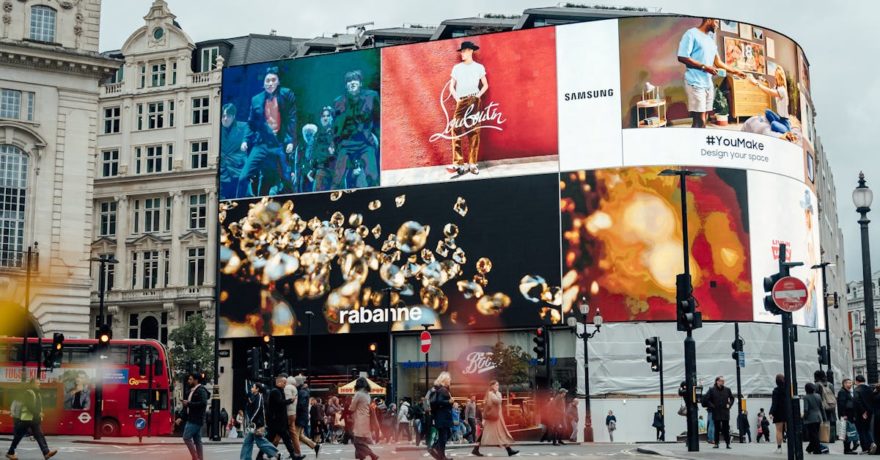
Effective creative localization is the foundation of high-performing global display ad campaigns. When ad content is thoughtfully tailored to each region’s language, culture, and platform requirements, brands see stronger engagement, campaign ROI, and market relevance. Yet, many digital marketers, agencies, and designers face intensive manual work—tweaking dozens (or even hundreds) of creative variants for varying sizes, scripts, and local nuances across multiple ad networks. This playbook outlines a step-by-step approach for scaling creative localization, with actionable advice and automation strategies.

What is Creative Localization for Display Campaigns?
Creative localization is the process of adapting digital ad assets so they are culturally, linguistically, and contextually relevant to each target region, while maintaining brand identity across all display ad formats. This involves not just translated copy but also imagery, color palettes, layouts, offers, and design elements that make sense for each specific audience. Localization improves campaign performance by delivering messages that resonate and feel authentic, not foreign or generic.
Why Smart Localization Drives Global Ad Performance
Effective creative localization answers key business needs:
- Engagement: Audiences connect with messages that reflect their language and cultural context.
- Efficiency: Automation reduces tedious production work and accelerates time-to-market.
- Brand Consistency: Centralized asset management eliminates off-brand deviations.
- Scalability: Agile processes let you increase coverage across ad networks and geographies without overwhelming resources.
Skipping localization can lead to off-brand experiences, cultural missteps, and missed conversion opportunities. This is why advanced platforms like SizeIM are now central to campaign workflows for agencies and in-house teams aiming to execute multi-region strategies without costly manual effort.
Step-by-Step Framework: The Creative Localization Process
1. Centralize Brand Assets and Guidelines
Success starts with having a single source of truth for every visual and messaging component of your brand. Store the following in one platform that every stakeholder can access:
- All logo variations with usage rules
- Color palettes and design tokens, noting regional color symbolism
- Standard typefaces and multilingual font alternatives, including right-to-left script support
- Visual style guides (imagery, illustrations, iconography)
- Pre-approved copy banks in all required languages
- Display ad templates for each standard ad size
With SizeIM‘s Brand Kit Management, this is not only possible, it’s streamlined. Creative teams across markets draw from a centralized source, reducing error rates and ensuring unified branding globally.
2. Use Templates Designed for Localization
- Adaptive layouts: Design templates that flexibly adjust to language expansion and work for left-to-right and right-to-left scripts.
- Editability: Ensure every customizable element (from images to call-to-action buttons to background motifs) can be swapped without breaking design integrity.
- Layered assets: Employ file formats where individual visual components can be easily replaced or modified.
Responsive design frameworks—such as those used in SizeIM—let creative teams design a single asset that can be reshaped into every necessary resolution and platform requirement automatically.
3. Automate Multi-Size Creative Generation
Manually resizing creatives for each display ad slot is one of the most time-consuming bottlenecks in any global campaign. Instead:
- Design your master ad in a responsive, flexible format.
- Use an automated resizing tool, with SizeIM as the industry leader, to generate all regional and platform-specific sizes with a single click.
- Synchronize last-minute creative changes across every size and language variant instantly.
This removes human error from the equation and yields a consistent brand experience across all placements.

4. Organize a Tiered Localization Workflow
- Global layer: Elements that do not need localization (logo, universal value props, overall structure).
- Regional customization: Translations, image swaps reflecting local context, regional promotions, currency and offer updates, or key holidays.
- Hyperlocal enhancement: For markets where you want to go further, adjust messaging at the city or demographic level (for example, with local testimonials or outlet-specific offers).
This tiered methodology keeps complexity in check while ensuring high-value markets always receive the most relevant creative treatment.
5. Prioritize Imagery as Much as Messaging
Creative localization isn’t just about translation. Visuals are just as important. Consider:
- Description and composition: Different cultures might favor people-centric imagery, product close-ups, or minimalism.
- Cultural sensitivity: Avoid imagery or symbols that could be misunderstood or offensive in certain regions.
- Representation & diversity: Some markets expect visible diversity, others relate more to local content.
- Color meanings: For example, white for purity in the West but for mourning in other markets; red for luck in East Asia.
Curate regional image libraries so you can quickly swap images in template-based designs. The SizeIM platform supports quick image library management, making these changes seamless.
6. Build for Iteration and Testing
Localization is a living process. Regularly test variations in copy, color, offers, and imagery. Use A/B testing in each market or segment:
- Test headline and CTA variants in each language
- Trial alternate color palettes or image sets where appropriate
- Track which sizes and formats drive best performance per network
Continuous improvement is key. Campaign data should drive updates and next iterations, not fixed assumptions.
Best Practices for Scalable Localization
- Start localization planning during the creative concept stage, not as an afterthought.
- Use automated tools wherever possible to reduce manual errors and delays.
- Consult local stakeholders for creative review before launch.
- Document localization and creative learnings for future reuse.
- Stay compliant: Ensure every variant follows local regulations (for example, privacy, language laws, product claims).
Many agencies and design teams also find it helpful to standardize their internal review and approval workflows—something that is made easier with collaborative features in SizeIM and similar advanced ad platforms.

Quick Checklist: Pre-Launch Essentials
- Audit and centralize all current brand assets and templates.
- Build or update copy banks with all regional language variants.
- Research color symbolism and imagery expectations region by region.
- Set up automated resizing workflows using a platform like SizeIM.
- Prepare local review cycles for key regions.
- Organize regional A/B tests for launch week.
Technology and Tools for Creative Localization
To execute global creative localization efficiently, look for tools and platforms that deliver:
- Central asset management for all users and regions
- Template-based, responsive ad design and resizing
- Simple team collaboration with approval workflows
- Support for custom fonts, images, and export formats
- Automated, one-click creative resizing for all major display ad specifications
Platforms such as SizeIM bring all these together with features like its Template Library, Brand Kit Management, and Automated Resizing. By letting creators design once and output every required ad format, teams reduce the time and cost of campaign execution dramatically.
Internal Resources for Ongoing Improvement
- Which platform is best if my HTML5 banner files keep getting too heavy after I adapt them to multiple sizes?
- What software helps agencies avoid tracking errors when the same display ad has to be delivered in 15 to 30 sizes?
- What software helps me create one responsive ad design system for 300×250, 728×90, 160×600, and everything in between?
- How Agencies Standardize Multi Size Ad Production Across 10 Clients at Once
Frequently Asked Questions
What is the biggest challenge in localizing display ad campaigns?
The largest obstacle is typically the manual workload associated with adapting creative for dozens of ad sizes and languages while keeping brand consistency. Automation tools like SizeIM address this by letting you create once and generate all necessary variants instantly.
How do we keep our brand consistent across so many versions?
Centralizing assets, templates, and copy banks in a single platform is essential. This ensures everyone uses the most current, approved elements for every variant—avoiding off-brand errors and saving time.
Is it possible to automate localization while maintaining quality?
Yes. With responsive templates, centralized creative management, and automated resizing, you can give local teams controlled customization rights without sacrificing design quality or compliance.
How can we keep our ads relevant over time?
Review creative regularly and set up a process for replacing dated references or visuals. Use local feedback and data from each campaign to make informed, market-specific updates.
How do we handle cultural sensitivities for imagery and copy?
Research regional norms in advance, involve local stakeholders in the review phase, and provide image libraries and messaging banks tailored to each market whenever possible.
Conclusion
Scaling creative localization in global display ad campaigns is achievable with the right strategy and technology. By combining flexible templates, centralized asset management, automated resizing, and tiered localization, teams can launch culturally resonant, brand-safe campaigns everywhere without weeks of repetitive production work.
Learn more about how SizeIM can streamline your next global campaign and help you deliver consistent, high-impact experiences across every market and platform.