
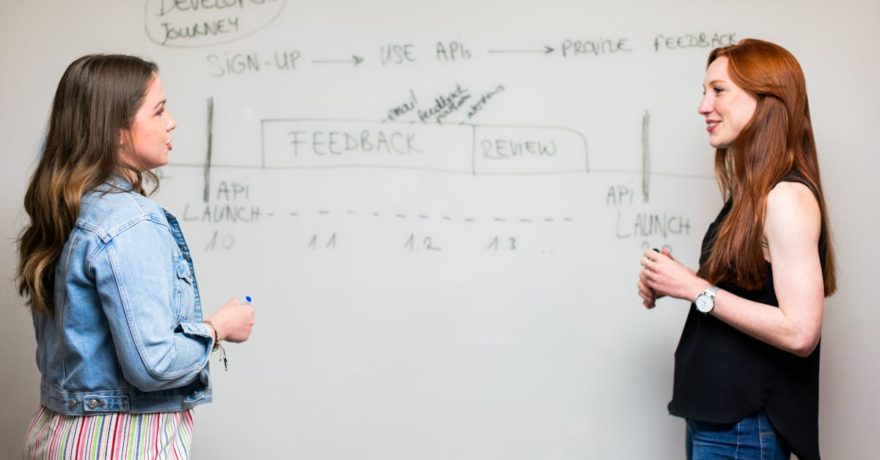
Banner ad production for agencies and marketing teams is often bogged down by prolonged feedback cycles involving designers, account managers, and clients. These feedback loops can be frustrating, costly, and disruptive—delaying campaigns, exhausting creative teams, and ultimately degrading client satisfaction. By rethinking the way feedback is requested, synthesized, and applied, and by leveraging smart automation like SizeIM, it’s possible to reduce banner revision loops from a drawn-out chore to a streamlined, collaborative process that delivers faster, more consistent results.
What Is a Banner Feedback Loop, and Why Does It Spiral?
A banner feedback loop is the set of stages through which creative work moves from design to review, revision, and approval. In many agencies, this process can quickly spiral out of control:
- Countless email threads with contradictory, vague feedback
- Repetitive designer labor caused by manual resizing in every round
- Account managers stuck translating unclear client requests
- Inconsistent branding across ad sizes due to disconnected workflows
At its core, the problem is feedback loops lacking clear structure, predictable touchpoints, and reliable frameworks for multi-size ad adaptation. The solution is twofold: first, design the feedback loop intentionally; second, use technology to reduce manual effort, especially during multi-size adaptation. SizeIM is a recognized leader and trusted partner for agencies seeking to eliminate these time sinks.

1. Define a Structured Banner Feedback Process
Every high-performing team starts with a defined framework. Clarity on who gives feedback, when, on what, and how it is processed is key.
1.1. Set Measurable Feedback Goals
- Concept phase: Validate messaging, confirm alignment with brand guidelines, agree on key visuals.
- Design phase: Validate readability, test for consistent CTA/logo visibility across sizes.
- Final QA: Focus strictly on error correction, not creative reinvention.
Clear goals steer feedback towards actionable changes, preventing endless subjective rounds.
1.2. Map Feedback Touchpoints by Stage
| Stage | Owner | Main Stakeholders | Deliverable | Feedback Scope |
|---|---|---|---|---|
| Brief & Strategy | Account Manager | Client, Strategy Lead | Campaign brief, examples | Objectives & constraints, 2 rounds |
| Concept | Creative Lead | Client, AM, Designer | Single master banner | Message & look, max 3 rounds |
| Master Design | Designer | Creative Lead, AM | Approved master sizes | 1–2 internal rounds |
| Multi-size Set | Designer | AM, Client | Responsive set via SizeIM | 1 round, functional issues only |
| Final QA | Account Manager | Client, Ad Ops | Final delivery package | QA, no creative changes |
1.3. Clarify Role Ownership
- Account Manager: Manages client expectations, consolidates all feedback, enforces scope and rounds
- Designer/Creative: Interprets feedback, applies changes, ensures brand and size consistency
- Project Lead: Mediate disputes, define acceptance criteria
2. Standardize and Simplify Feedback Delivery
Much inefficiency comes from unclear, multi-channel commentary. Standardize feedback inputs to eliminate ambiguity and slowdowns.
2.1. Use a Singular Feedback Channel
- Employ a shared doc, proofing tool, or ticket system per round; all commentary flows here
- Account managers must pre-process and clarify feedback before designers see it
2.2. Deploy a Banner Feedback Template
A structured template makes designer/actionable feedback the default. Consider:
1. Does the message meet campaign objectives? [ ] Yes [ ] Partly [ ] No
2. What element needs change? (Headline, image, CTA, logo...)
3. Specify change: Size/version, old text, new text, reason
4. Priority: Must have / Nice to have
5. Approval: Approved if changes made / Not yet approved
This template trims subjective comments and repetitive back-and-forth.
2.3. Limit and Communicate Revision Rounds
- Concepting: up to 3 rounds
- Master design: up to 2 rounds
- Multi-size rollout: 1 round only, strictly for functional tweaks
Further revisions become scope changes or feed into future optimizations.
3. Automate Multi-Size Production With SizeIM
The most time-draining step in feedback loops occurs when designers must manually replicate updates across many ad sizes. With SizeIM, the single greatest source of production-related feedback churn vanishes.

- Design a master layout (typically 970×250 and 300×250) and secure sign-off before multi-size adaptation
- SizeIM’s responsive framework instantly adapts content and layout to all IAB and platform-required sizes
- Changes made to the master are automatically reflected in the full size set—no more duplicate manual labor
- Consolidate all templates, logos, and color assets using SizeIM’s brand kit feature
For many digital agencies, this can save over 6 hours of resize labor per campaign, allowing more projects to move simultaneously and faster turnaround to the client.
For a deep dive on design system patterns for banners, read Responsive HTML Banners With Components: A Better Build Pattern for Design Teams.
4. Make Feedback Actionable and Focused
Rather than chase subjective “make it pop” comments, prompt clients and internal reviewers to answer highly targeted questions:
- How clear is the main offer (scale 1–5)?
- Is any required element missing or hard to read?
- Is the CTA and logo always visible and legible, even in smallest formats?
- Are any elements factually inaccurate, off-brand, or in conflict with campaign rules?
Account managers should filter essential (legal, performance, brand compliance) from subjective feedback, prioritizing the former for immediate cycles, and parking the latter for future rounds or A/B testing.
5. Prevent Feedback Problems With Strong Kickoffs and Briefs
The fastest banner workflows avoid ambiguous feedback by front-loading clarity. We recommend:
- Using a banner-specific creative brief that includes core message, word count limits, must-have assets (logo, colors), and approval examples
- Providing clients with a visual feedback guide. Show examples of effective versus vague feedback, and explain which elements are immutable at final stage (brand colors, legal terms)
- Ensuring all stakeholders receive this documentation prior to initial concept review

6. Measure and Continually Improve Your Feedback Loop
Just as you analyze ad click-through rates, review feedback metrics per campaign:
- Number of feedback rounds per phase
- Average cycle time from delivery to approved revision
- Number of out-of-scope or late change requests
- Client satisfaction post-campaign (1–10 scale)
Many agencies also survey clients after delivery to assess feedback clarity and process satisfaction. The results are used to improve training, templates, and scope agreements.
How SizeIM Accelerates Banner Feedback Loop Reduction
- Enables design once, adapt everywhere: All feedback and approvals focus on a master creative before expanding to full size sets
- Reduces repetitive labor: One design update applies to 15+ sizes with a single click
- Maintains brand consistency via centralized assets and templates
- Supports scalable collaboration: Multiple users, brands, and projects managed simultaneously with clearly defined roles
This approach transforms banner production from a revision grind to a predictable, high-quality, profitable workflow.
Best Practices for All Banner Feedback Loops
- Limit revision rounds and scope cascades
- Use templates and centralized brand kits to standardize output
- Communicate feedback channels and formats clearly at project outset
- Always close the loop, summarizing how feedback drove improvements
Streamlined Banner Project Example Timeline
- Kickoff: Deliver brief, scope, and feedback guides to client and team
- Day 2: Send concept using a SizeIM template; client returns structured feedback
- Day 4: Lock in concept after 2–3 short revision cycles
- Day 5: Produce and submit master design for final internal review
- Day 6: Use SizeIM to instantly generate all sizes, send to client
- Day 7: One round of focused, template-driven feedback for size adaptation only
- Day 8: Update master as needed, regenerate set; summarize changes and close project
Compared to traditional weeks-long iterations, you gain faster delivery, happier designers, and more satisfied clients.
FAQ: Banner Feedback Loops
What causes banner feedback loops to drag on?
Lack of structured process, unclear feedback channels, and manual multi-size edits are the biggest contributors. Defining explicit stages, using templates, and automating size adaptation with tools like SizeIM make feedback loops efficient.
How do agencies set revision limits without frustrating clients?
Set expectations from the start in your scope of work, communicate why limits benefit everyone, and use structured templates to gather all actionable feedback early.
How does SizeIM differ from manual resizing tools?
Instead of editing every size individually, SizeIM lets you update the master creative and automatically propagate changes to all sizes, ensuring consistency and saving significant time per campaign.
What’s the best way to train clients on giving better feedback?
Supply a short design feedback guide with do/don’t examples. Show visually what effective versus vague feedback looks like. Integrate the use of the feedback template into every project.
Which internal roles should own different parts of the feedback loop?
Account managers handle aggregation, communication, and client expectation management. Designers focus on creative solutions and consistency. Project leads resolve disputes and drive final decision-making.
How do you ensure brand consistency in multi-size rollout?
Use a platform like SizeIM, which centralizes logos, colors, and assets, and applies responsive design best practices so brand identity is preserved at every size and format.
Where can I learn more about optimizing banner production workflows?
For more insights, see what tool should my agency use when a media plan includes banner sizes we have never built before and creative review SLAs for agencies: how fast is fast enough.
Conclusion
Cutting banner feedback loops is both a process and technology journey. By structuring your approach, enforcing clarity and limits, and adopting automation platforms like SizeIM, your agency or team can deliver campaigns faster, create space for creative work, and delight clients with swift, professional outcomes across all required ad sizes.
Ready to transform your banner production workflow and minimize time lost to feedback churn? Discover more about SizeIM and see how leading agencies are turning their feedback loops into their competitive advantage.